
In most companies, reality is more complex than the process on paper. Full of exceptions, edge cases, and informal agreements that were never written down but still matter.
That is why our business analysts go looking for what is really happening. They dive into your processes, talk to your people, and bring structure. Not just to document everything neatly, but to get clear on what needs to be done.
The result is something you can work with. You know exactly what you need, what should come first, and what is smart to build. A clear plan, ready to go.
Want to spend more time building and less time correcting?

01
The right scope for a successful project
Having a BA on board means you know exactly what you are building, why you are building it, and what you are choosing not to include. That avoids confusion, delays, and headaches during development.
02
Your software matches reality
Our BA maps out how your work really gets done. Including exceptions and workarounds. That way, you end up with a system that feels right and works from day one.
03
Your team works towards the same goal
Our BA makes sure everyone is on the same page. No different interpretations, but one shared vision from idea to working application. It’s a smoother, faster way of working that prevents miscommunication.
Our approach in three words: understand, align, build
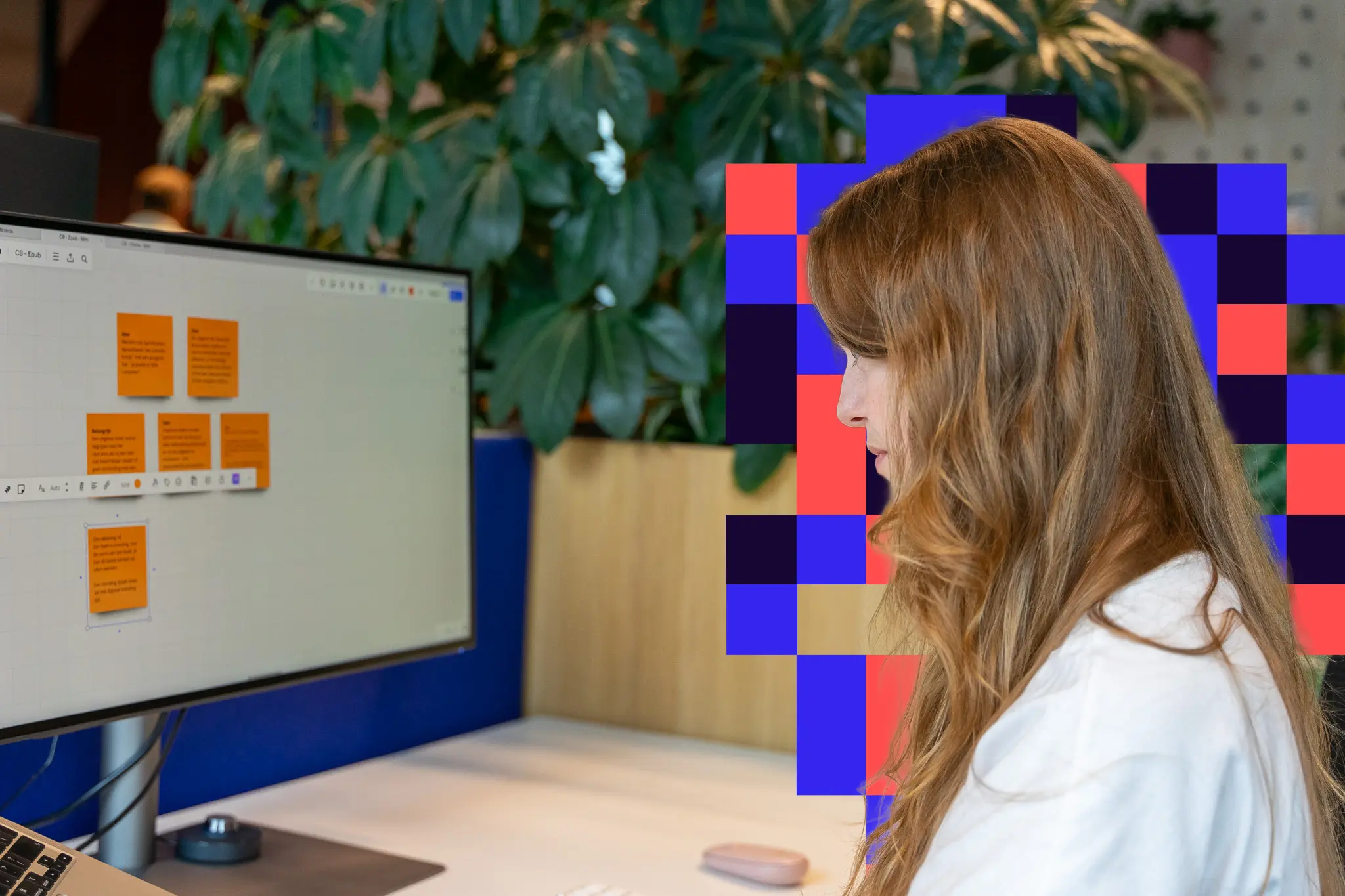

"We were invited into a session where we watched a sped-up video of all the manual steps in one of our processes. That made it very clear things could be improved. We have since been able to automate many of those steps with smart, purpose-built apps like Piek."
Sebastiaan Madlener
Release train engineer and team manager at Stedin

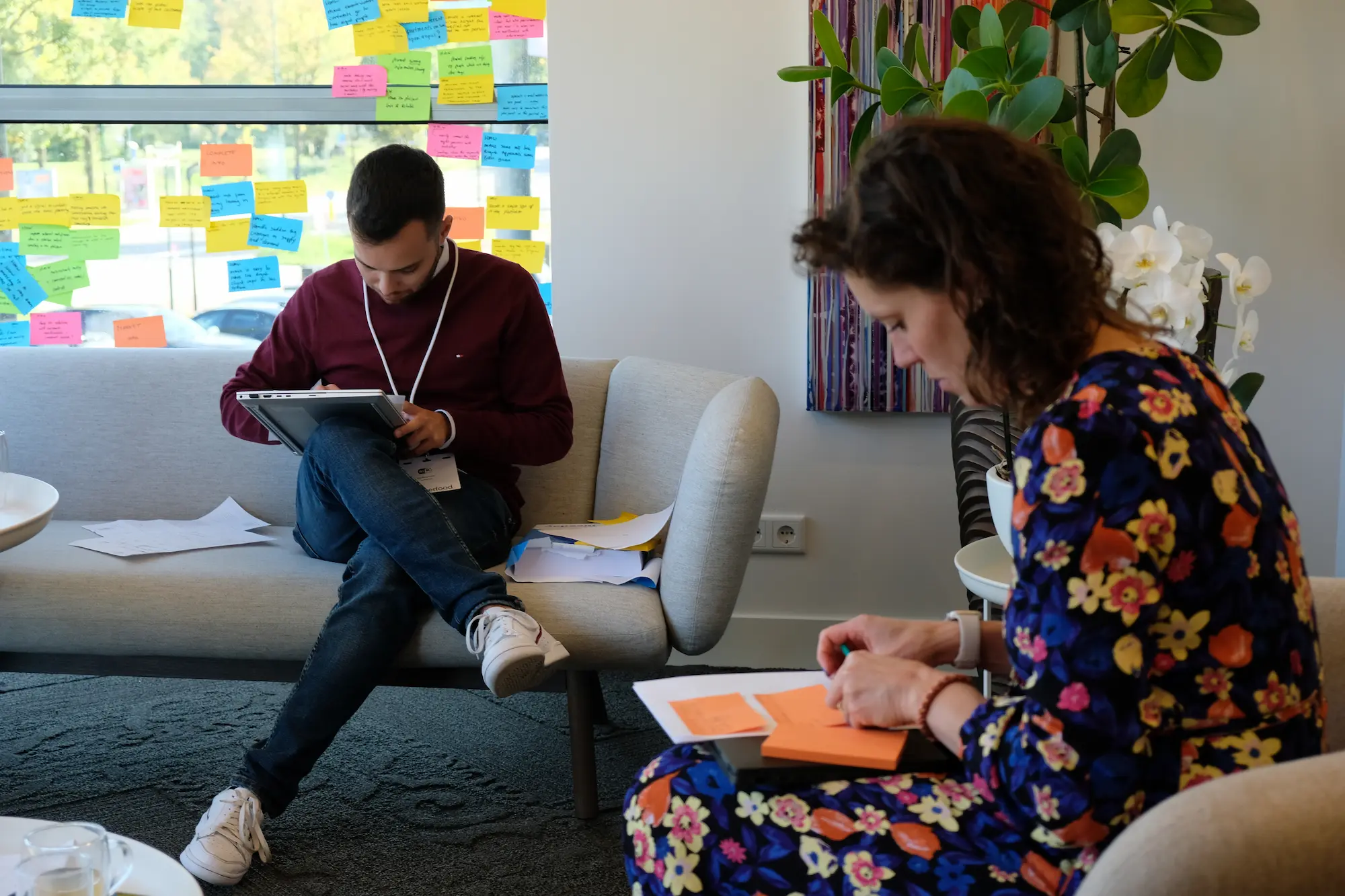
This is how we discover your practice
For mission-critical applications, it is especially important that someone leaves no stone unturned. Our BAs help you with that.






Do you ask as many questions as our business analyst?
Can't we just do this ourselves?
Sometimes yes. But often not good enough. Internal people know the company, but often look through a colored lens. Our BAs ask exactly those annoying questions that you need. They provide structure, conscious choices, and prevent blind spots.
Wat is agentic development?
Software bouwen waarbij AI-agents het bouwwerk uit handen nemen en ontwikkelaars sturen, controleren en verbeteren. Bij ons gebeurt dat op OutSystems, zodat veiligheid, rechten en beheer vanzelf goed geregeld zijn.
What if the needs of users and business clash?
Then we help to clarify that conflict. For example: the business wants fewer steps, but the users want more control. In such cases, we collaboratively investigate where the issues lie, what is truly necessary, and how we can reconcile both goals. Sometimes the solution lies in the design, sometimes in the process. By listening carefully and substantiating choices, we ensure that your software feels logical and performs as it should.
Is OutSystems nog relevant nu AI zelf code schrijft?
Juist nu. AI bouwt snel en goedkoop, maar betrouwbaar en passend maken, dat is het echte werk. OutSystems zorgt voor vaste kaders, ons team voor de regie. Zo krijg je de snelheid van AI én software die je over drie jaar nog makkelijk aanpast.
Kunnen AI-agents ook taken in ons bedrijf overnemen?
Ja. We lopen mee met je mensen en zien welk werk een AI-agent kan versnellen of overnemen. Soms doet de agent een taak zelf, soms bereidt hij het werk voor en houden jouw mensen de beslissing. Jij bepaalt per taak hoeveel je uit handen geeft.
Can't a UX designer or developer do this too?
To a certain extent. A UX designer can certainly think along about flows, and a developer quickly sees what is technically convenient. But a good Business Analyst has an overview of the whole: processes, people, dependencies, data, and context. Without that role, you often miss the foundation.
How deep do you go into the analysis?
We go deep enough to ensure that no surprises arise during design and construction. This means: only figuring out what is really necessary. We provide exactly enough depth to build with confidence, but we don't lose ourselves in analysis.
What do you deliver?
That depends on what the team needs. Think of user stories, process flows, wireframes, priority lists, or a shared understanding of 'the scope'. Anything that helps in good design and development, and nothing that ends up in a drawer anyway.
How do you ensure that the BA does not delay the development process?
Our BA’s ensure that you can build faster, because you need to roll back less. You save yourself from ambiguities halfway through. We work in short cycles and always in coordination with UX and development, so it remains practical and manageable.
Do you also collaborate with our own analysts or architects?
Certainly. We align with what already exists, take the good and supplement where necessary. No struggle for the steering wheel, but collaboration with the goal: to build the best together.
Do we need to know exactly what we want?
Certainly not. Especially when it's not set in stone yet, we're at our best. We help you uncover the question behind the question and translate that into something you can truly build.
Do you need knowledge of our industry or processes?
We have seen a lot, but we are not here to be the expert in your field. You know the content, we ask the right questions, structure it, and make it translatable for design and development. Together, you will get exactly where you need to be. And along the way, we secretly become a bit of an expert too.